
Types of CNC Machines: A Comprehensive Guide
By:Admin
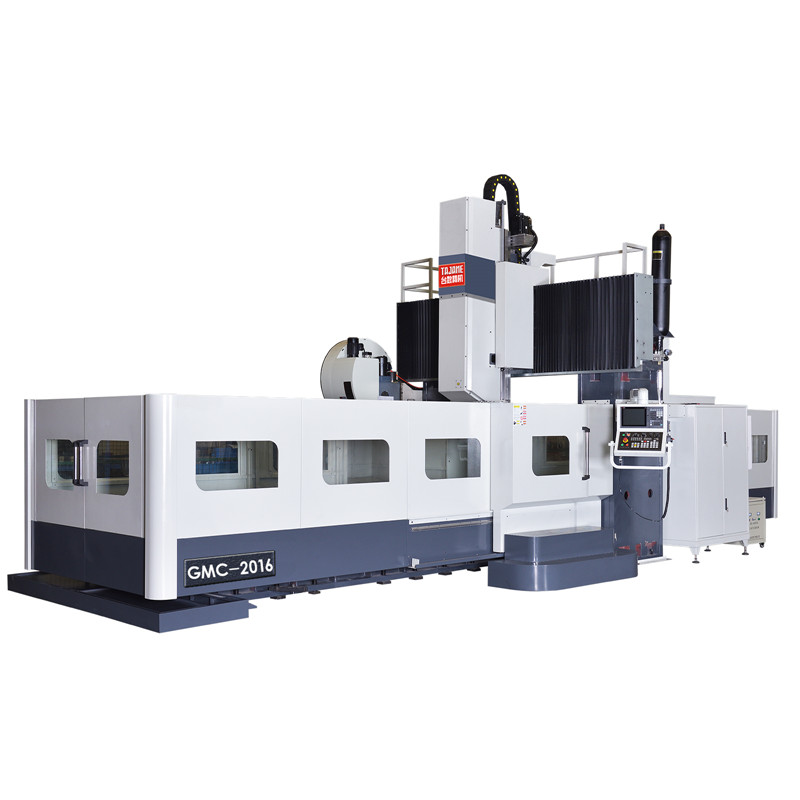
In today's manufacturing landscape, Computer Numerical Control (CNC) machines play a pivotal role in automating precision machining processes. These machines are instrumental in improving productivity, consistency, and accuracy across industries ranging from automotive to aerospace and consumer electronics. As CNC technology continues to evolve, understanding the various types of CNC machines becomes essential for businesses aiming to optimize their production capabilities.
### What is a CNC Machine?
A CNC machine is a computer-controlled device used to cut, grind, and shape raw materials like metals, plastics, wood, and composites into precise shapes and sizes. The key advantage of CNC machinery is its ability to execute complex designs with high accuracy and repeatability by following programmed instructions stored digitally.
### Types of CNC Machines
CNC machines come in various forms, each suited to specific manufacturing needs. Below is an overview of the most common types:
#### 1. CNC Milling Machines
CNC milling machines use rotary cutters to remove material from a workpiece. These machines are versatile and can perform a wide range of operations such as drilling, boring, and cutting intricate shapes. Milling machines can operate on multiple axes, typically from 3 to 5 axes, allowing for detailed 3D contouring.
#### 2. CNC Lathes
CNC lathes rotate the workpiece against cutting tools to shape materials mainly used for cylindrical components. These machines are ideal for producing parts like shafts, bushings, and pulleys. Modern CNC lathes can also be equipped with live tooling to perform milling and drilling operations.
#### 3. CNC Routers
Similar to milling machines, CNC routers are commonly utilized for cutting softer materials such as wood, plastics, foam, and composites. Due to their high-speed capabilities and large work areas, CNC routers are often used in woodworking, signage, and furniture manufacturing.
#### 4. CNC Plasma Cutters
CNC plasma cutters use a plasma torch to cut through electrically conductive materials like steel, aluminum, and brass. This type of machine is favored for fast, precise cutting of thick metal sheets and is widely used in fabrication and automotive repair shops.
#### 5. CNC Electrical Discharge Machines (EDM)
EDM machines employ electrical sparks to erode material from conductive workpieces with extreme precision. This process is well suited for making molds, dies, and complex shapes in hard metals that are difficult to machine with traditional tools.
#### 6. CNC Grinding Machines
These machines use abrasive wheels to achieve fine surface finishes and precise dimensions. CNC grinding is particularly useful for finishing hardened materials and creating sharp edges or smooth surfaces on metal parts.
#### 7. CNC Laser Cutters
Laser cutters use a focused beam of light to cut or engrave materials. They provide high accuracy and are widely used for intricate designs on metals, plastics, glass, and other materials. Their non-contact nature reduces the risk of material distortion.
### Applications Across Industries
The versatility of CNC machines has broadened their applicability across many sectors:
- **Automotive**: Manufacturing engine components, gears, and chassis parts with tight tolerances.
- **Aerospace**: Producing complex, high-precision components for aircraft engines and structural parts.
- **Medical Devices**: Crafting surgical instruments, implants, and prosthetics.
- **Consumer Electronics**: Fabricating casings, connectors, and fine components.
- **Furniture and Woodworking**: Creating detailed carvings, furniture parts, and cabinetry.
### Embracing CNC Technology for Future Growth
Investing in CNC machines not only enhances fundamental manufacturing efficiency but also provides a foundation for adopting advanced manufacturing techniques such as Industry 4.0 and smart factory initiatives. Integration with CAD/CAM software and automation systems enables seamless production workflows, further reducing human error and lead times.
For companies looking to stay competitive, understanding the capabilities and selection criteria for different CNC machines is crucial. Factors such as material type, production volume, precision requirements, and budget must guide the decision-making process.
---
**About Our Company**
[Company Name] stands as a leader in providing state-of-the-art CNC machinery tailored to diverse manufacturing needs. With a commitment to innovation and quality, we offer an extensive range of CNC solutions designed to boost productivity while ensuring superior craftsmanship. Our expert team assists clients throughout the entire process—from machine selection and customization to installation and after-sales support—ensuring seamless integration into their existing workflows.
Backed by years of industry experience and cutting-edge technology, [Company Name] remains dedicated to empowering manufacturers with the tools they need to succeed in a rapidly evolving industrial environment.
---
In conclusion, the wide array of CNC machines available today caters to a multitude of manufacturing processes and materials. By selecting the right type of CNC machine and partnering with a reliable supplier, manufacturers can significantly enhance their operational efficiency, product quality, and market responsiveness. As CNC technology continues to advance, staying informed and adaptable will remain key to unlocking greater potential in precision machining.